

Clean Cooking Programme

Clean cooking is a priority for delivering climate change mitigation, air quality improvement, public health benefits and sustainable development outcomes. Despite this recognition, access to clean cooking remains a major challenge for Africa. Biomass accounts for about 50% of the total primary energy supply in the continent, with over 900 million Africans still relying on traditional use of biomass and other polluting fuels for cooking and heating. Africa incurs a conservative cost of US$ 791.4 billion per year calculated from the negative externalities of gender equality, health, and climate.
There is strong political momentum for making clean cooking a priority, with most African countries adopting clean cooking policies and strategies. According to the IEA more than 70% of Africans without access live in countries that have strengthened their clean cooking policy frameworks since 2024, with 40 new policies now in place. Despite this growing ambition, many African countries still face challenges in translating clean cooking commitments into coherent investments that simultaneously support NDC implementation, national clean air targets and SDG 7 ambition.
Flagship projects on Clean cooking
Under South Africa’s G20 Presidency, leaders endorsed the African Clean Cooking Voluntary Infrastructure Investment Action Plan. This plan provides a strategic framework to mobilize the $8 billion in annual investment required to achieve universal access to clean cooking across Africa by 2030.
Africa Clean Cooking Program (Sustainable Energy Fund for Africa) is an initiative by the African Development Bank Group, that channels concessional and catalytic finance to scale up modern cooking alternatives, such as biogas plants in Uganda and electric cooking integration in Tanzania.
Modern Cooking Facility for Africa (MCFA), managed by the Nordic Environment Finance Corporation (NEFCO), is a results-based financing programme that provides catalytic grants and performance-based finance to private companies. It targets 4 million people across countries like the Democratic Republic of the Congo, Kenya, Malawi, Mozambique, Tanzania, Zambia, and Zimbabwe
About the Clean Cooking Programme
The African Ministers responsible for Transport and Energy during the 4th Ordinary Session of the Specialised Technical Committee on Transport, Transcontinental and Inter-regional Infrastructure, and Energy held on 12-15 September 2023 in Zanzibar, Tanzania mandated AFREC to develop the African Clean Cooking programme to address the clean cooking challenge in Africa. The objectives of the programme are among others to:
- Strengthen African leadership in addressing the clean cooking challenge in the continent.
- Promote the adoption of clean cooking technologies and fuels across Africa.
- Create a platform for regional cooperation and knowledge exchange among African Union Member States.
- Enhance awareness on clean cooking solutions in the continent and promote development of clean cooking value chains across the African continent.
- Track progress and disseminate information on the status of clean cooking across Africa; and
- Mobilize the required financial resources for clean cooking programmes in the African Union Member States.
In addition, the African Heads of State and Government during the 46th Ordinary Session of the Executive Council in February 2025 declared access to clean cooking a continental priority.
Key Activities & Initiatives
News & Events
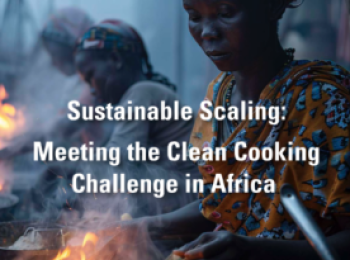
The Governments of Kenya, Norway, and the United States, together with the African Union (AU), the African Development Bank (AfDB), and the International Energy Agency (IEA), convened a high level
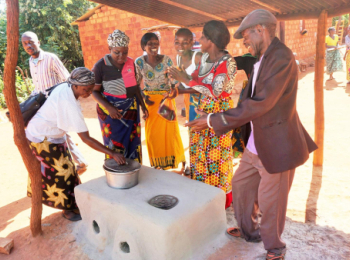
The second technical and policy dialogue, From Policy to Investment: Unlocking Finance for Clean Cooking at Scale, convened policymakers, technical experts, investors, and country representatives to explore how clean cooking
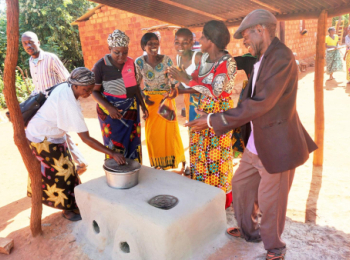
Clean cooking remains one of Africa’s most urgent development challenges. Nearly 900 million Africans still rely on traditional biomass fuels, causing over 800,000 premature deaths annually and costing the continent